Strain N°01
Natural History Cabinet
Before the skull was a symbol, it was a specimen. Numbered, measured, filed in a drawer alongside a feather and a vertebra. This collection borrows the eye of the 19th-century naturalist, patient, precise, faintly obsessive, and lets the object speak for itself.

Natural History Cabinet
The plates in this room come from a tradition that treated the skull as evidence rather than emblem. From the seventeenth century onward, naturalists across Europe filled cabinets with bone, catalogued it, numbered it, and drew it in copperplate engraving, a technique demanding enough that a single plate could take weeks, and precise enough that a specimen was preserved in ink long after it decayed on the shelf. The convention that governs these images is deliberate: uniform light, no landscape, no drama, the specimen isolated on the page and given a number. What the naturalist wanted was comparison, one skull against the next, the same structure repeating across species and centuries. This collection keeps that discipline intact, including its quiet consequence. Place a human skull in a series of animal ones, at the same scale and under the same numbering, and it stops being a symbol of anything. It becomes another specimen in the drawer.
The pieces
Only available on Etsy
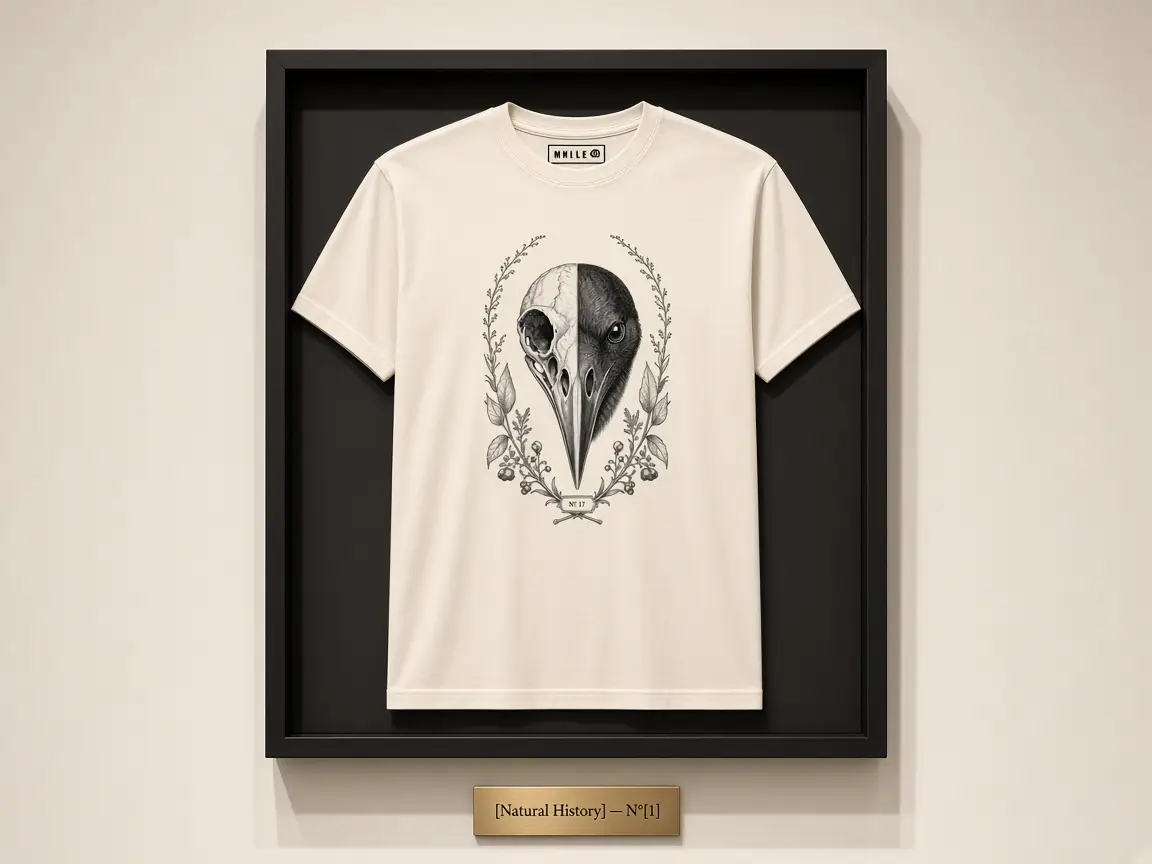
Vintage Natural History Bird Skull
In 1887, an unnamed naturalist catalogues an inherited collection of animal and human skulls, searching for underlying anatomical constants rather than traditional species classifications.
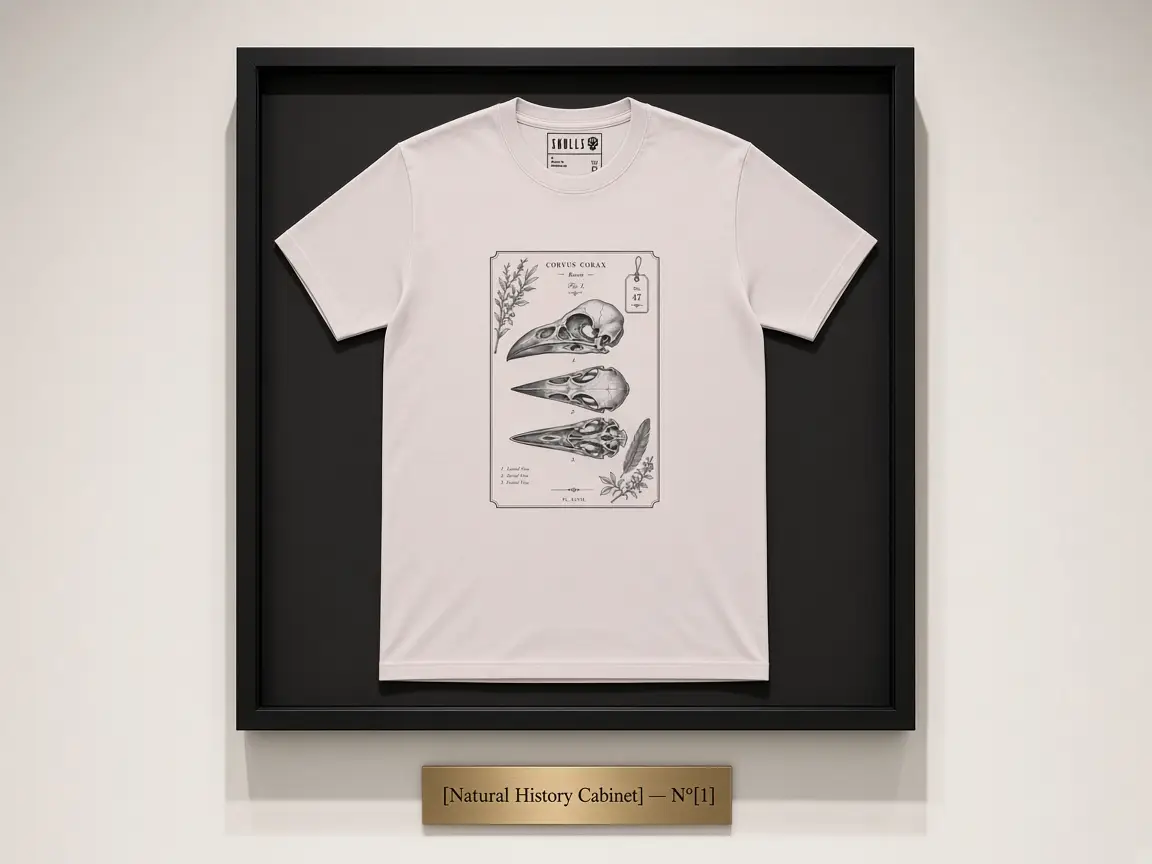
Vintage Natural History Bird Skull
In 1887, an unnamed naturalist catalogues an inherited collection of animal and human skulls, searching for underlying anatomical constants rather than traditional species classifications.
Three books to read
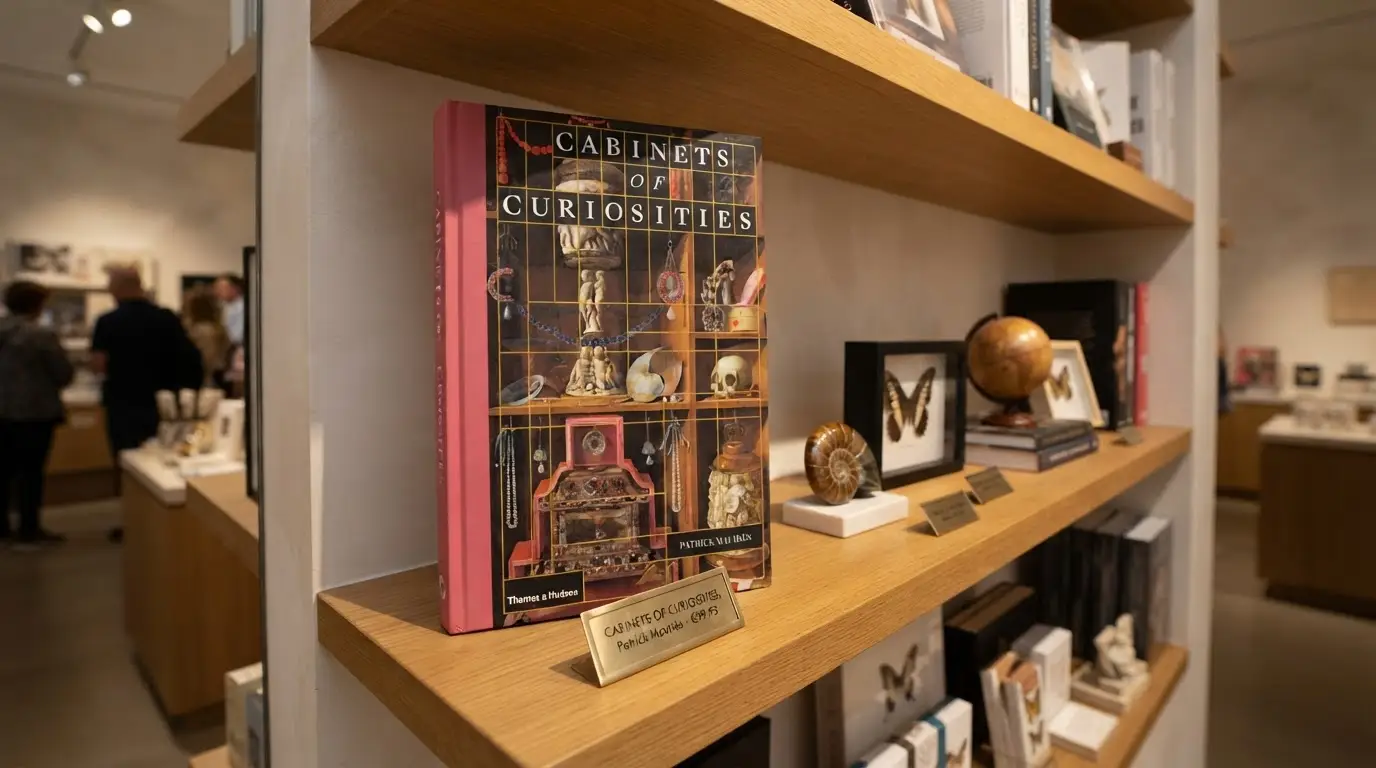
Cabinets of Curiosities: Patrick Mauriès (Thames & Hudson). The standard reference in English on the Wunderkammer, and the most useful of the three for you specifically: it is a picture book first, so it doubles as a visual source for compositions and display logic.
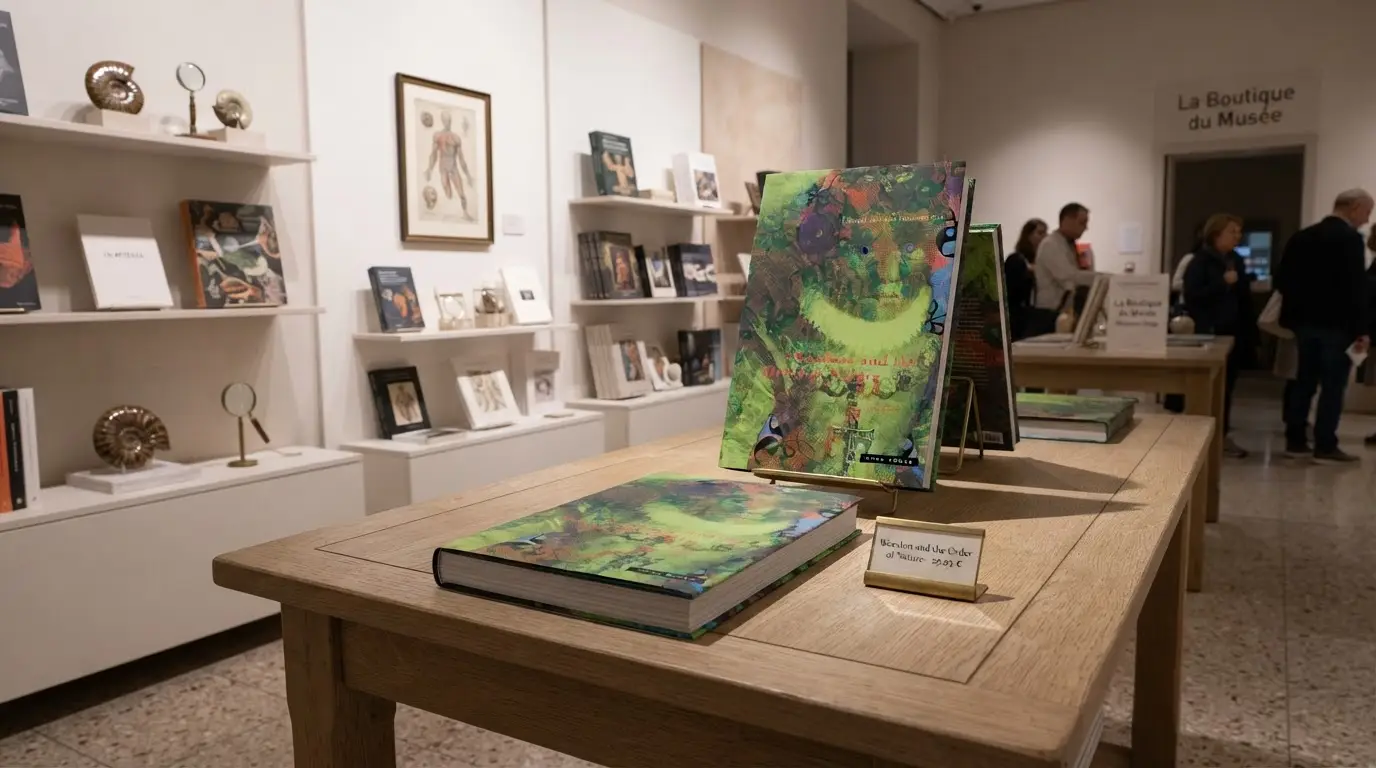
Wonders and the Order of Nature, 1150–1750: Lorraine Daston & Katharine Park (Zone Books). The academic backbone. It explains why educated people once collected the marvellous and the monstrous as serious knowledge, and why that stopped. Dense, but this is where the collection’s argument comes from.
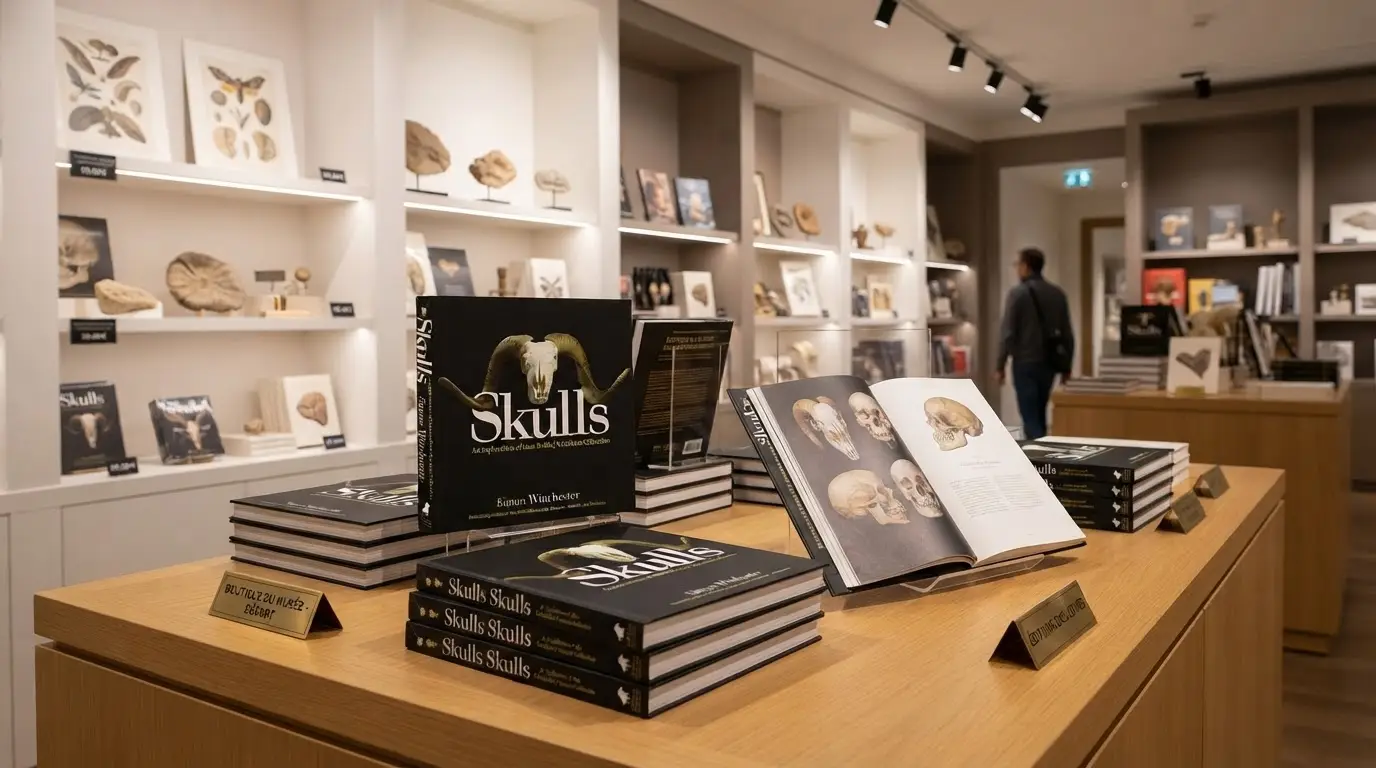
Skulls: Simon Winchester (Black Dog & Leventhal). Built around the Skulls Unlimited collection, with large comparative photography across species. The closest thing in print to what your comparative plates are trying to do, and a direct reference for arrangement and scale.