
Strain N°02
Vanitas
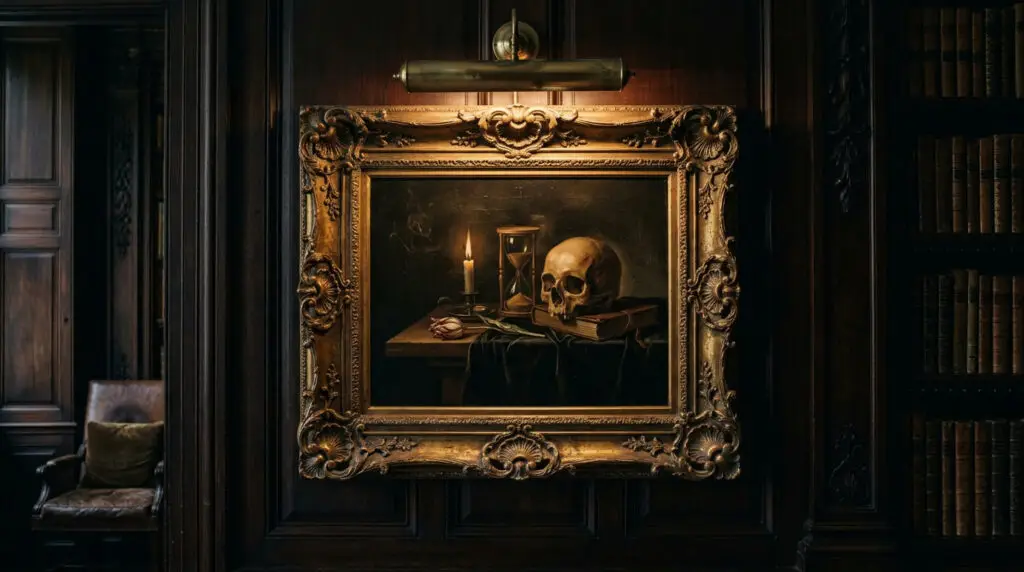
The richest cities in Europe filled their walls with paintings of their own mortality. Not out of gloom, out of appetite. The skull was never there to frighten anyone. It was there to sharpen the pleasure of everything else in the frame.

Vanitas
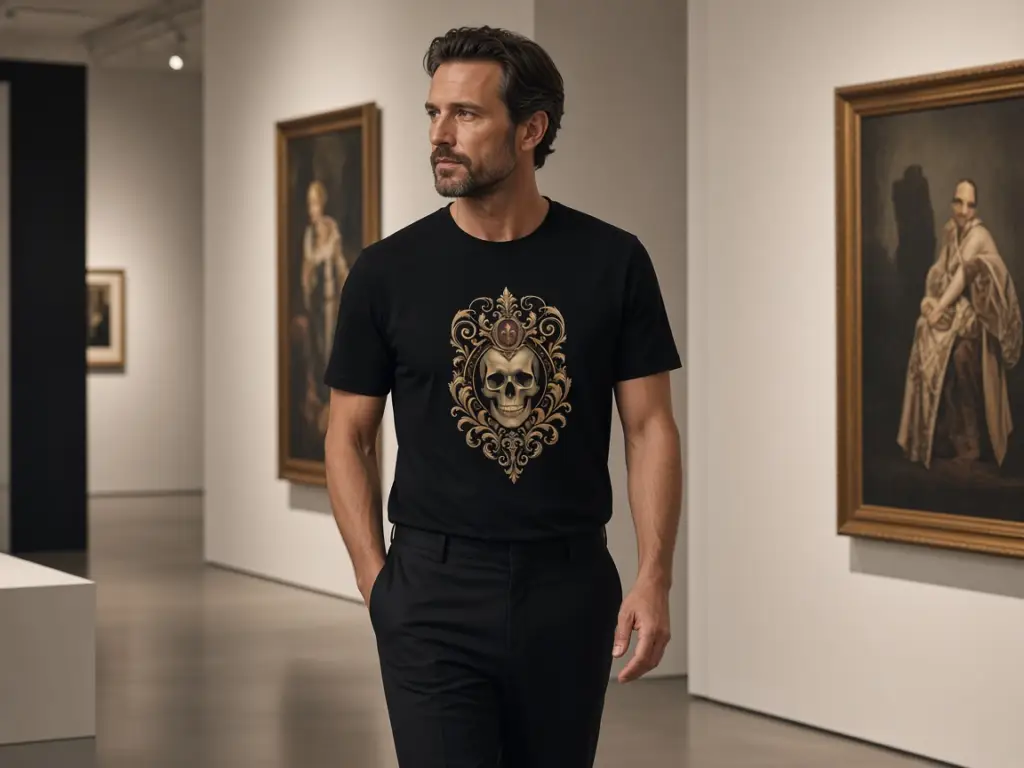
The vanitas emerged in the Dutch Republic at the moment it became the wealthiest society in Europe, and that is not a coincidence. Painters worked to a fixed grammar: a skull, a guttering candle, an hourglass, a flower past its best, arranged on a table and lit from a single source against near-total darkness. The restraint was technical as much as moral, a narrow range of blacks, bone whites and warm gold, with the whole composition depending on where the light falls rather than on what colour anything is. The message these pictures carried was never morbid. They were commissioned by people with a great deal to lose, and hung where guests would see them. The skull was there to sharpen everything else in the frame, not to spoil it.
The pieces
Only available on Etsy
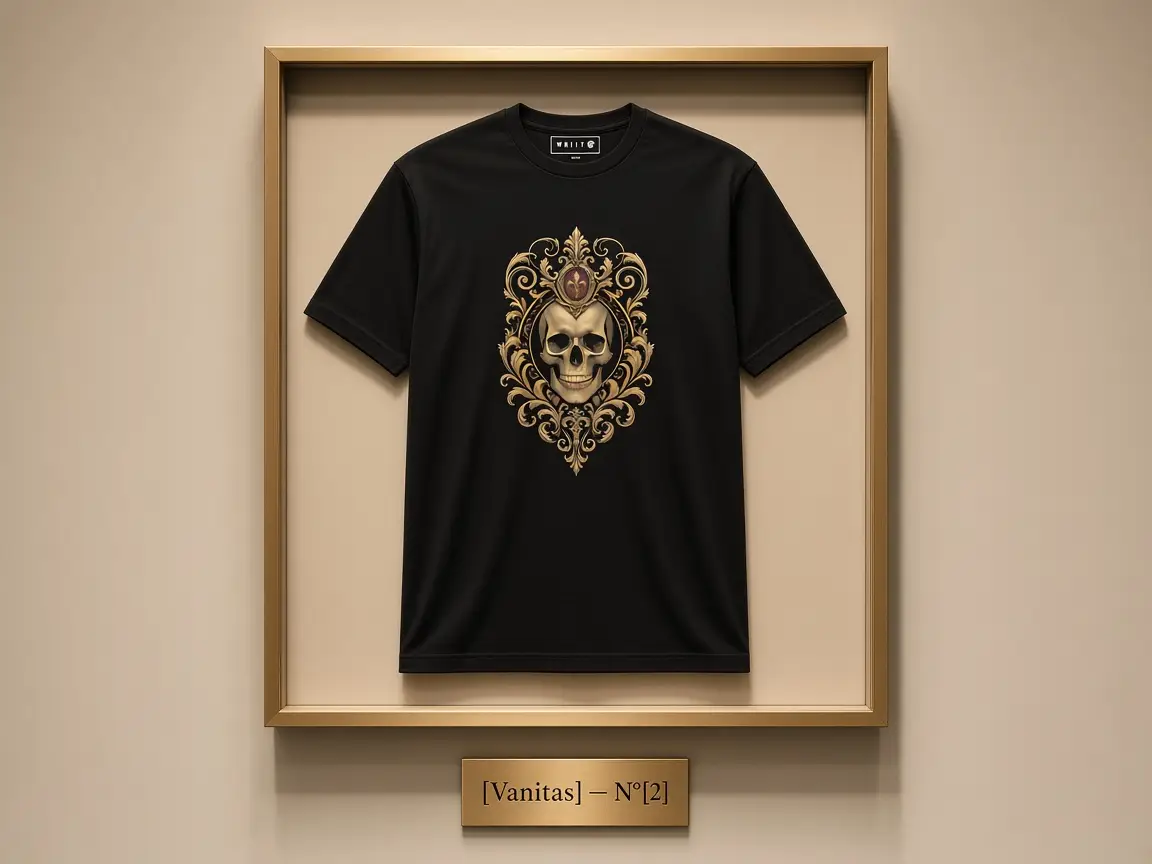
Vintage Natural History Bird Skull
In 1887, an unnamed naturalist catalogues an inherited collection of animal and human skulls, searching for underlying anatomical constants rather than traditional species classifications.
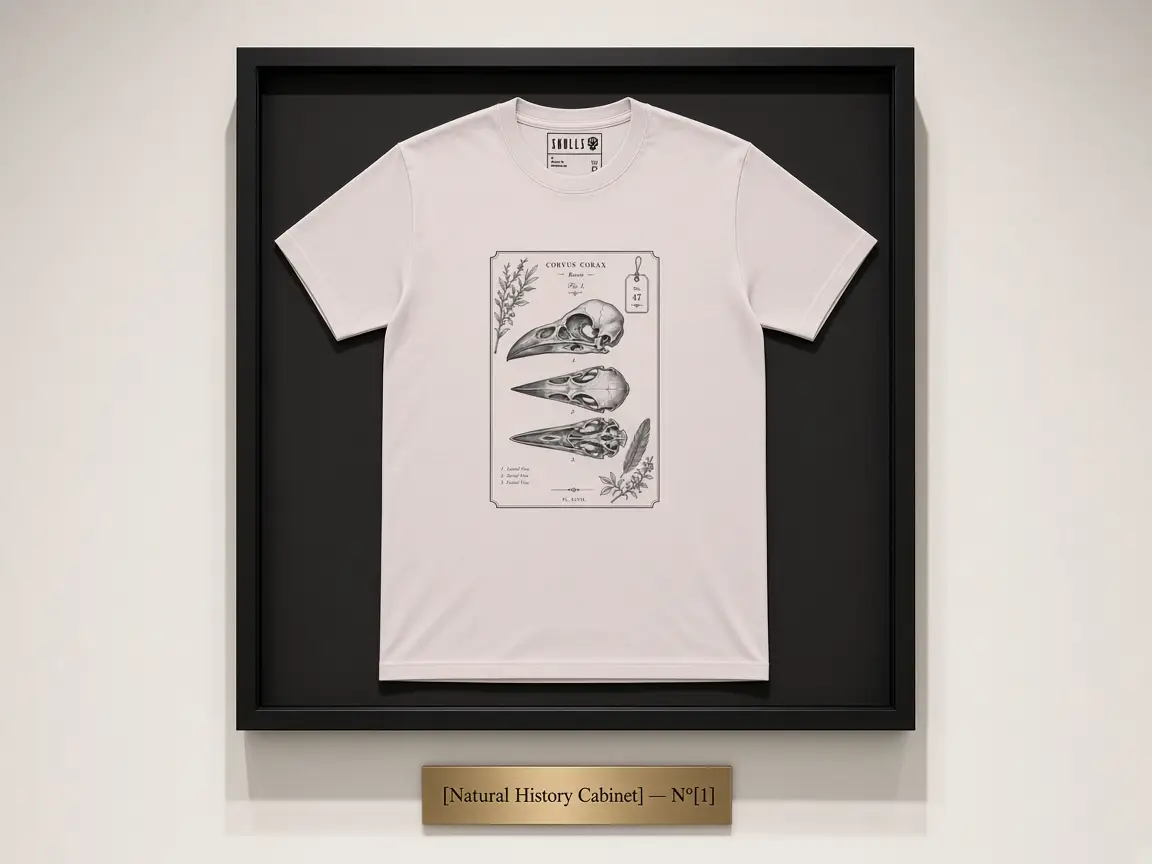
Vintage Natural History Bird Skull
In 1887, an unnamed naturalist catalogues an inherited collection of animal and human skulls, searching for underlying anatomical constants rather than traditional species classifications.
Three books to read
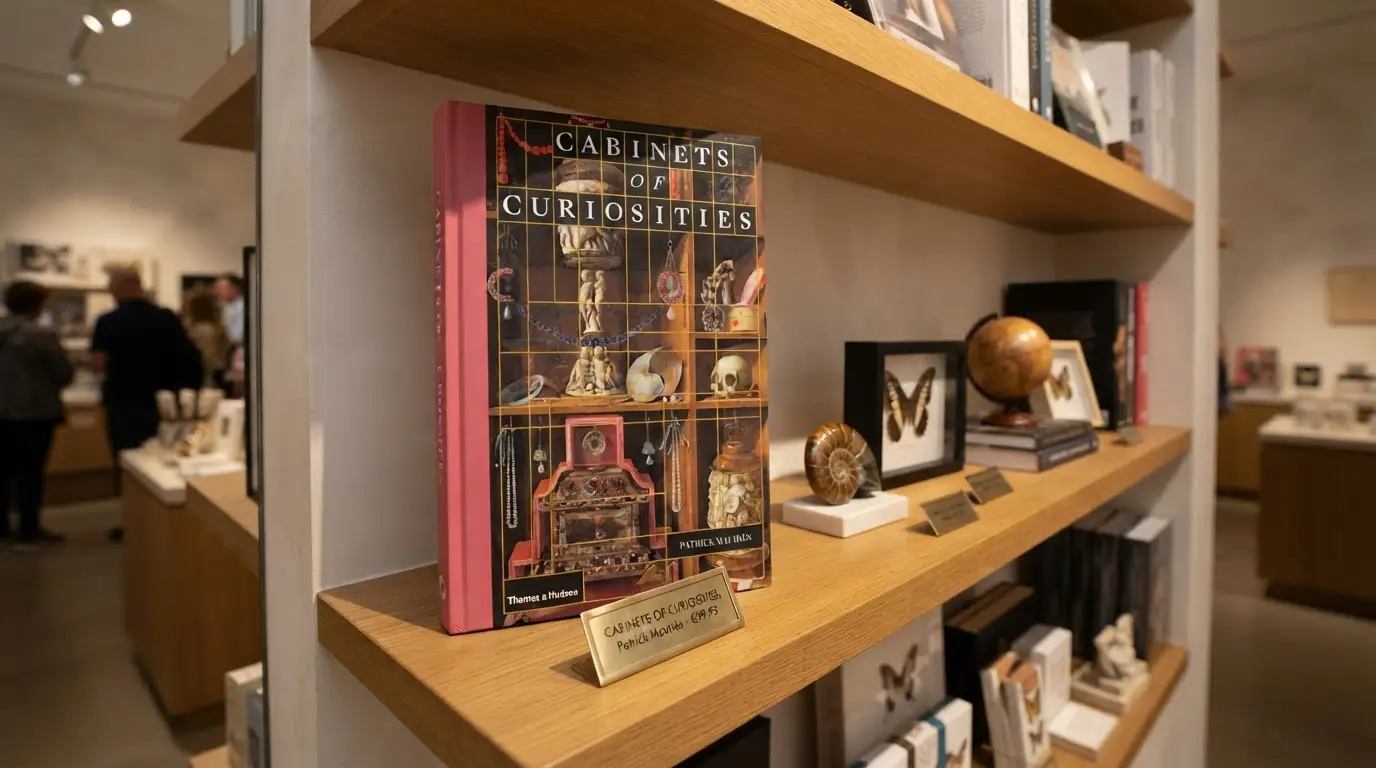
Cabinets of Curiosities: Patrick Mauriès (Thames & Hudson). The standard reference in English on the Wunderkammer, and the most useful of the three for you specifically: it is a picture book first, so it doubles as a visual source for compositions and display logic.
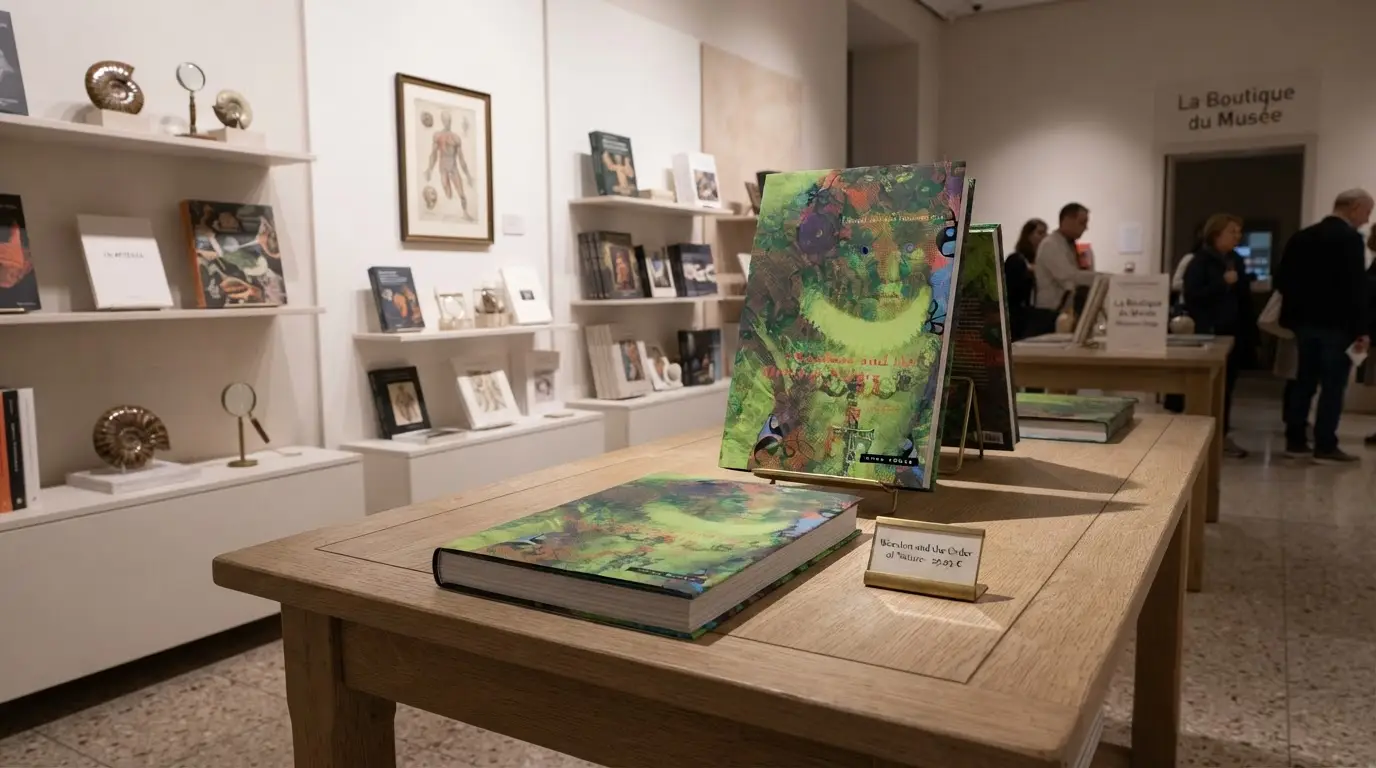
Wonders and the Order of Nature, 1150–1750: Lorraine Daston & Katharine Park (Zone Books). The academic backbone. It explains why educated people once collected the marvellous and the monstrous as serious knowledge, and why that stopped. Dense, but this is where the collection’s argument comes from.
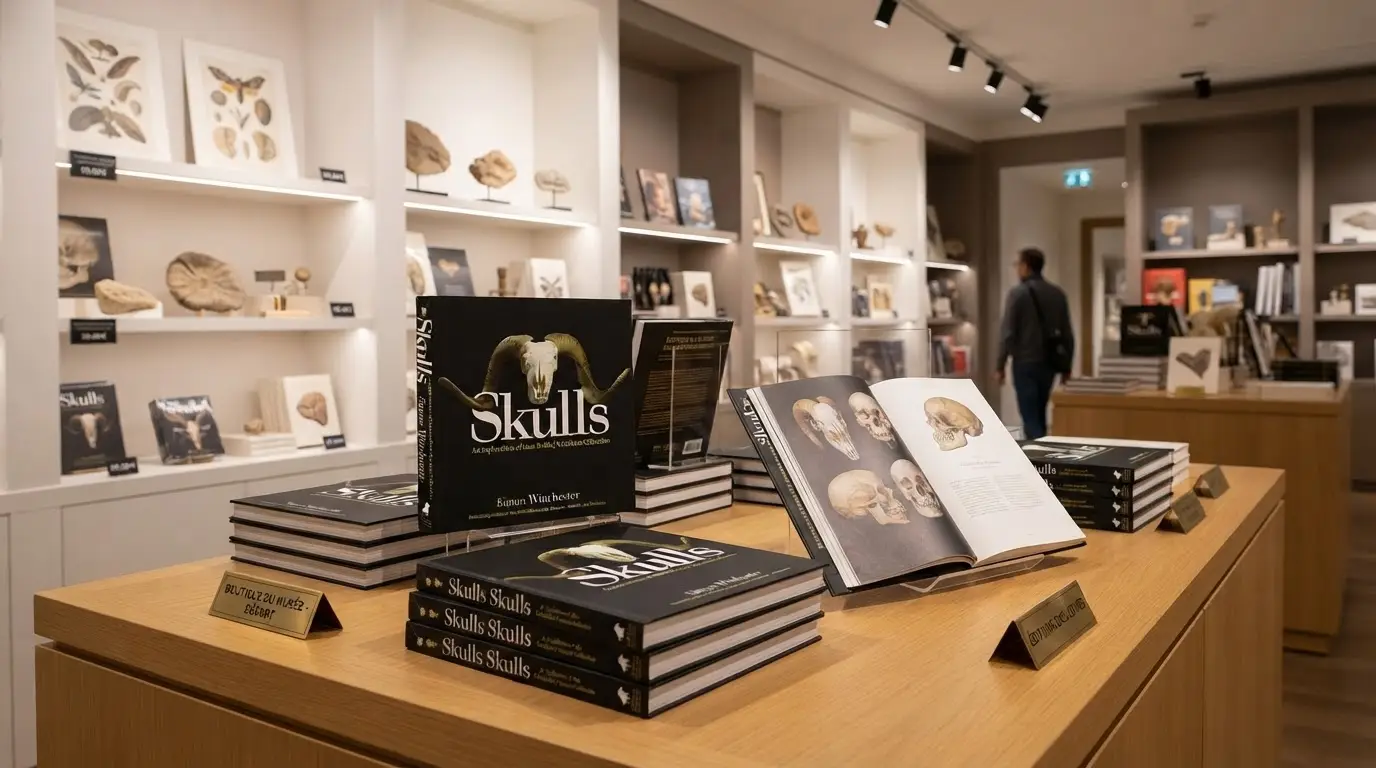
Skulls: Simon Winchester (Black Dog & Leventhal). Built around the Skulls Unlimited collection, with large comparative photography across species. The closest thing in print to what your comparative plates are trying to do, and a direct reference for arrangement and scale.